
SØREN KLIT LAMBÆK | ADJUNCT LECTURER, XR AND GAMES DEVELOPMENT | VIA UNIVERSITY COLLEGE

Find out how TrailblaXR and software developer-turned Adjunct, Søren Klit Lambæk’s VIA University in Denmark is taking a focused approach to XR. By future-proofing students with their latest software engineering education for real-time applications the likes of VR training simulations and game development, the new programme harnesses powerful games engines Unity and Unreal Engine, real-time software and 3D animation. More on his side projects Pixie3D animation software and music festival sim game, Festival Fever.
Welcome, please introduce yourself and tell us a little bit about your background?
My name is Søren and I graduated in 2008 as Games Programmer at University of Teesside in the UK. I was raised in Denmark but decided to stay in the UK and worked in the Games and Graphics industry until 2023. I have been working for various companies and at times I was self-employed. My partner and I moved to Denmark in the spring of 2023, mainly so our little son could be close to my family and be raised up in Denmark.
Please tell us about your role at the University, the programmes you specialise in and who should study them.
We are starting a new software engineering education at VIA University College in Viborg, Denmark, with focus on real-time software and extended reality (XR). My official title is Adjunct but I actually have various roles. Besides teaching Games Development at Campus Horsens, I am also promoting our education by visiting colleges and gymnasiums to speak to students.
Currently the course is being taught in Danish, and we’re aiming to accept international students from 2025 which at that point the course will be taught in English.

Video: VIA University College Software Engineering and The Animation Workshop to learn programming and development for XR, games, animation and real-time applications the likes of VR training simulations.
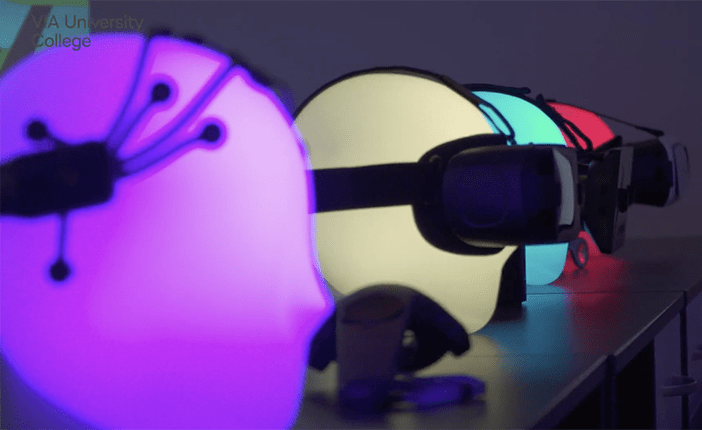
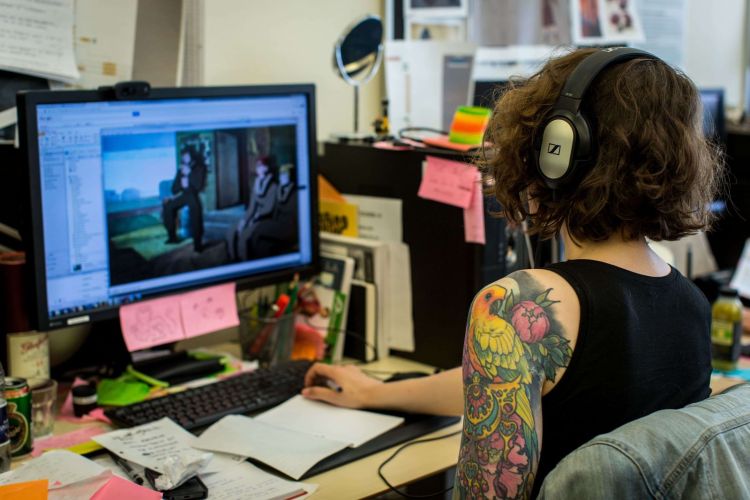
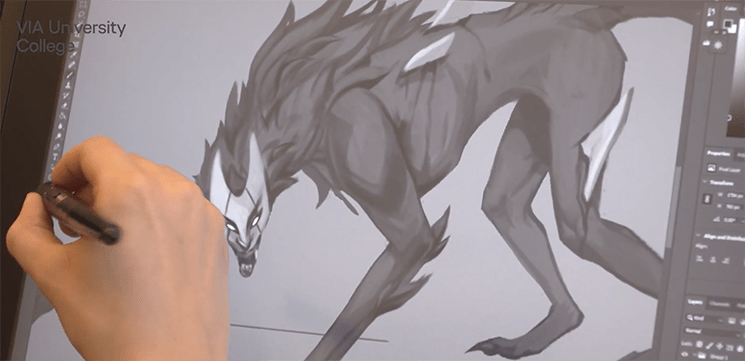
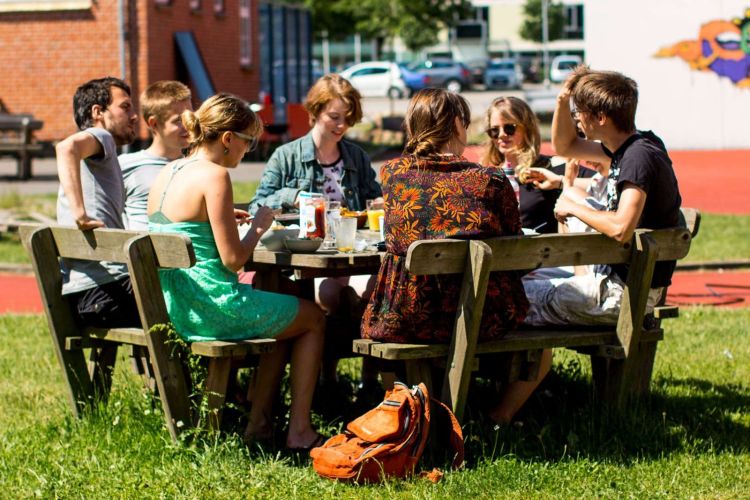
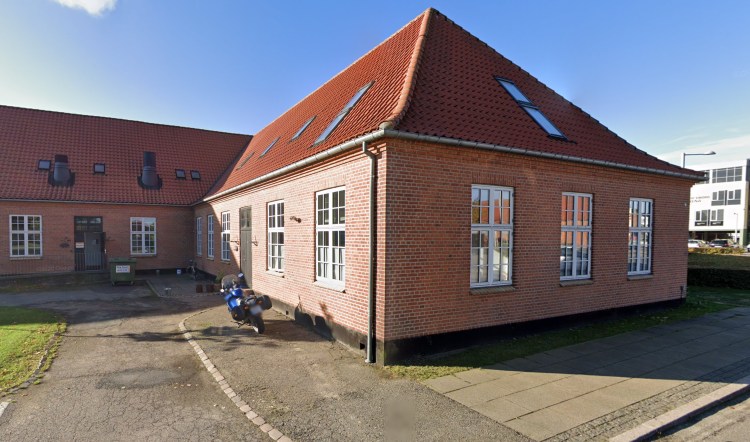
Our new education will be focused on XR. We will teach our students how to programme and use Games Engines as well as all the fundamentals that comes with traditional software programming. However, we will not only focus on game development as we also will be focusing on other real-time applications such as training simulations. In my past I have been working for companies that develop training simulations and that has made me understand the value of creating realistic simulations that can be used by companies. In Denmark many companies use training simulations to train new staff. For example, if you want to become a nurse in Denmark, you will need to use a VR training simulations. As a special perk for our education, our classrooms are in the same buildings as The Animation Workshop in Viborg, and we will be collaborating with many of the talented students from The Animation Workshop. A lot of talented animators started in Viborg, for example Brian Leif Hansen, whose team won an Oscar in 2023 for Guillermo del Toro‘s animation film: Pinocchio, we both actually went to the same school as children.
What are the key technologies being taught in the programme?
We will teach our students in a lot of technologies, but we will mainly be using Unity and Unreal Engine. That also means we will teach the programming languages C# and C++. On top of that, we will be teaching how to develop applications for VR headsets as well as mobile devices.


Do you think virtual reality, extended reality or spatial computing will be adopted more regularly by educational institutions and students, and what do you consider to be some of the pro’s and con’s?
I can see that VR is being adopted more regularly by educational institutions as well as companies. When I am promoting our education at conferences, I speak to a lot of people, and a lot of them are surprised how many companies are already using training simulations and I often see people starting to think about how they could take advantage of this technology in their professional field. It’s great to see that people take new technology onboard. I think for VR there are way more pro’s than con’s. I know a lot of companies are saving a lot of money by sending out a VR headset to new staff rather than build physical training simulations. VR is super immersive and diverse. In Denmark we have a large industry of wind turbine manufacturers, and they all have VR training simulators for how to operate them. Not only can they train staff in operating wind turbines, but they can also test how the staff deal with vertigo and fear of heights. Some of the con’s is that VR technology does not include your physical body in a virtual world. For example, that makes it difficult to make simulations where the user will need to climb ladders or use their body in specific ways. Also, some people get dizzy and sometimes get physically sick from using VR headsets.
I do find Machine Learning very interesting and it is very exciting to see how far OpenAI has come. I love the idea of using OpenAI in games to make something generic as NPCs (Non-Player Characters) more interesting to interact with.
SØREN KLIT LAMBÆK | ADJUNCT | VIA UNIVERSITY COLLEGE
Professionals pivot their careers all the time. What made you transition to education as a career and why?
I have always liked to help fellow developers. When I was younger, I spent a lot of time writing articles and tutorials how to programme graphics. I found that I learned a lot more by writing these articles, as not only would I need to understand the technologies thoroughly, but I also had to be able to communicate it in an understandable way, which sometimes could be quite challenging. Before I moved to the UK, I also had an evening job as a music facilitator. Basically, I facilitated young musicians by guiding them and teach them about music and I also served as a driver when they went to gigs and musical arrangement out of town. I have always been an extrovert and enjoyed working with people and I have for a long time wanted to have a more social role, rather than just sit and programme all day. And since I like helping and talking to people, it made sense for me to start teaching. I love to see my students learn and become better developers over time.
Can you talk about some of the most exciting projects and companies you’ve worked at within your career?
I have been working for a lot of interesting companies in my past. However, I did enjoy being self-employed for a long time as not only did I get to work on a lot of different projects, but I also got to see how different companies/studios are working. All companies seem to do things slightly different, and I always learned something for each project that I was working on. One of the places I found particularly interesting to work for was Rare Ltd. Not only did I get a chance to work on a game called Sea of Thieves, with super talented people, which was an amazing experience, but I also found that the way the teams at Rare develop games is very interesting. First of all, I love that the managers listen to the developers and allow them to join new teams, whenever it would make sense to do so, as they would create teams on-the-fly to work on specific parts of a game and dissolve these teams when the tasks had been completed. I think that brings a great dynamic workflow and relationship in the company as it bonds staff since the majority of them will have ended up working together on something at some point throughout the development of the game. I know they have won prizes in the past for being the best workplace in the games industry in the UK and I think is fully deserved.
Are you working on any passion projects you’d like to talk about?
I am always working on a passion project in my spare time. However, all my spare time is pretty much booked by my little two-year-old now, but I am working on a small game project. I decided that I have been working in the games industry for so many years, but I have never actually written a game myself, so I decided to go all the way out by writing everything from scratch and have created Festival Fever, a music festival sim game.


Having said that, my previous passion project was an R&D project, Pixie3D an animation software which is Beta. I used some of the code from that project and I also used that software to create all the game content in Festival Fever.
The software package offers a modern approach for independent developers and artists with easy and quick results for modelling, texturing, animating and rendering 3D scenes.

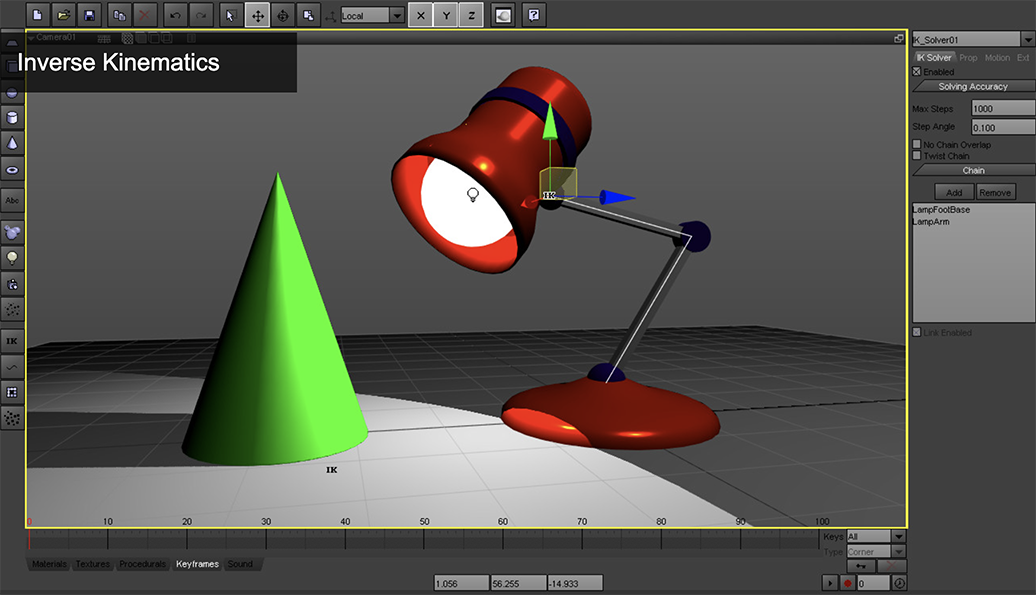

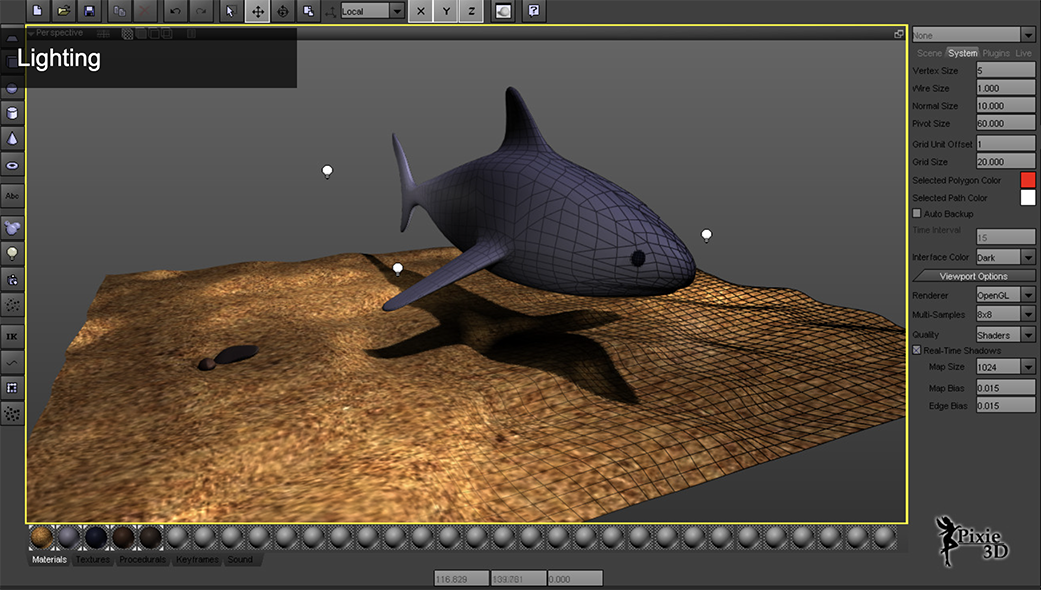

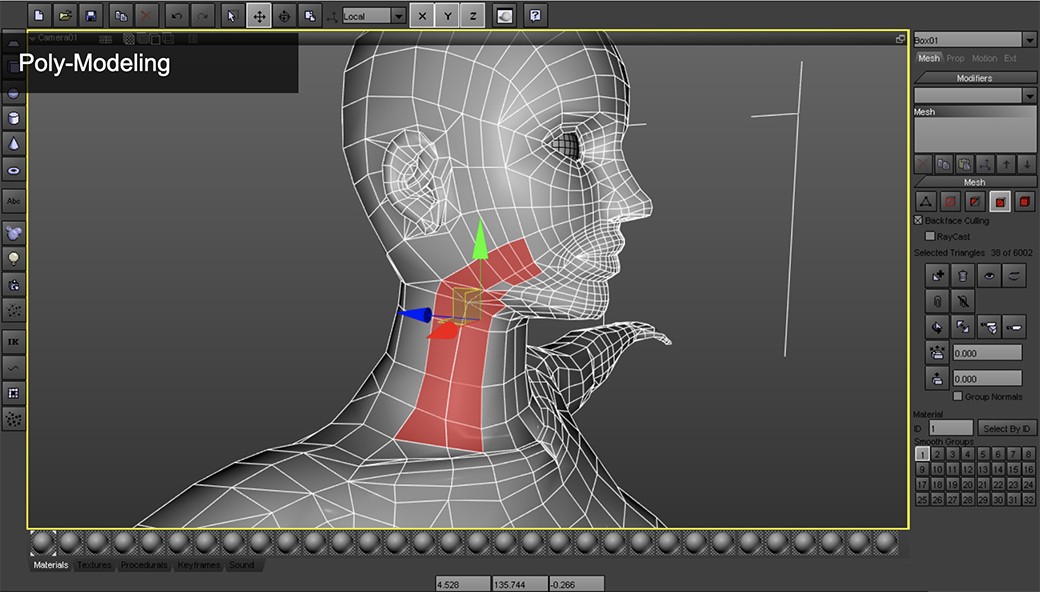


Pixie3D: Søren is developing his 3D animation and modelling software to include powerful features to create and export 3D assets to engines such as Unity and Unreal Engine.
You can read more about my two projects at www.gemstonegames.com and www.pixie3d.com
What do you think are the most exciting trends across the industry now and in the future?
I do find Machine Learning very interesting and it is very exciting to see how far OpenAI has come. I love the idea of using OpenAI in games to make something generic as NPCs (Non-Player Characters) more interesting to interact with. For example, I have seen some demonstrations where players can verbally chat directly to NPCs in a game about basically anything and get a decent conversation at the end. I have also seen developers using ChatGPT to write code for them and I am very excited to see if Games Engines in the future will adopt this idea and allow developers to develop games simply by verbally describing specific game mechanics rather than write code manually.
What are your most memorable career moments?
I had some fun moments working for Samsung, I enjoyed traveling to different conferences and events and talk to developers to identify any technical issues they may have but also to understand how they develop games for Samsung devices. However, it was super interesting to talk to technical directors and programmers from companies and games studios that make games that you play in your spare time.

I was also lucky to bump into John Romero in Brighton, he was such a cool guy and he was happy to chat about some of my favourite games of all time that he and his team developed in the 90s. It was great to see that he is still working in the industry.
Thank you Søren for contributing to TrailblaXR, keep on inspiring and trailblazing the XR and video games industry!
Image Credits: VIA University College; Søren Klit Lambæk.
Return to TrailblaXR Magazine
Become a future TrailblaXR of the multiverse and shine under the starlight with Instinctively Real Media.
Let Instinctively Real Media promote your brand, contact Enquiries@InstinctivelyReal.com for a chat.


Discover more from Instinctively Real Media | Global Creative Agency
Subscribe to get the latest posts sent to your email.
